
Why This Question Matters
For Muslim consumers in Japan, confirming that meat is genuinely halal is not always straightforward — most supermarket meat has no halal labeling at all, and even products marketed as “halal-friendly” can vary in what that actually means.
What Halal Meat Actually Requires
For meat to be halal, the animal must be slaughtered by a Muslim according to Islamic method (dhabiha), with the name of Allah invoked at the time of slaughter, and the animal must come from a permissible species raised and slaughtered under proper conditions. Packaging alone does not guarantee this — sourcing does.
Questions Worth Asking Before You Buy
- Is the meat certified by a recognized halal certification body, or sourced from a supplier who can confirm the slaughter method?
- Was the meat processed or packaged alongside non-halal products, risking cross-contamination?
- Is the supplier transparent about where the meat comes from?
Frozen vs Fresh
Most halal meat available to households in Japan is frozen, imported, or sourced from a small number of halal-certified processors — this is normal, not a red flag, and frozen halal meat stores safely for months when kept properly sealed.
Shop With Confidence
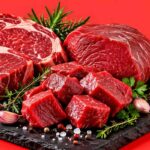
Every meat product at Halal Food Japan is halal-certified, and we’re transparent about sourcing. Browse our halal meat selection — chicken, beef, and more, delivered frozen and ready for your freezer.