Why Basmati Rice Is Different
Basmati rice is prized for its long grains, fluffy texture, and distinct aroma — qualities that come from how it is grown, aged, and milled. In Japan, where most rice sold in supermarkets is short-grain japonica, finding authentic long-grain basmati can be difficult outside specialty stores. That is exactly the gap Halal Food Japan fills for South Asian and Middle Eastern households.
How to Judge Quality
Three things separate an average basmati from a great one:
- Grain length and aging: Aged basmati (usually 1-2 years) cooks up longer and less sticky than fresh-milled rice.
- Aroma: Real basmati has a natural, nutty fragrance — if a bag smells like nothing at all, it is likely a blend or a lower grade.
- Origin: Punjab (India) and Pakistani basmati are the two classic sources, each with slightly different character — Pakistani basmati tends to be a touch firmer, Indian basmati slightly softer.
Cooking Tips for Perfect Basmati
Rinse the rice 2-3 times until the water runs mostly clear, then soak for 20-30 minutes before cooking — this is the single biggest factor in getting long, separate grains instead of a sticky clump. Use a 1:1.5 rice-to-water ratio for absorption cooking, and let it rest covered for 5-10 minutes after the heat is off.
Shop Basmati Rice Online
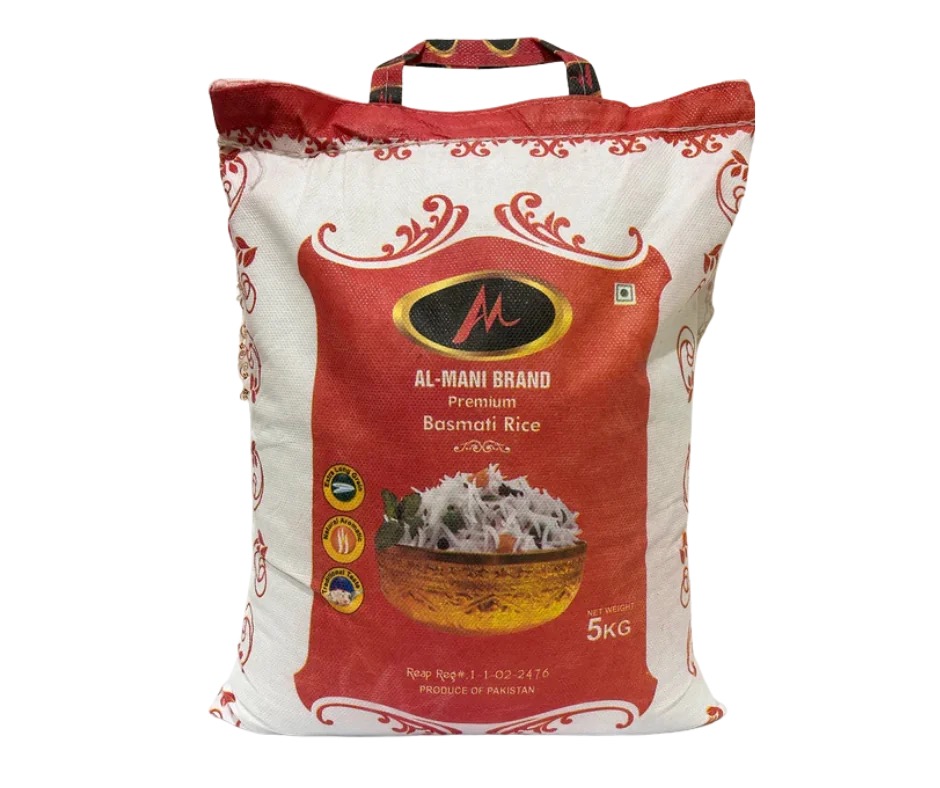
Halal Food Japan stocks a range of trusted basmati brands — from everyday 5kg family packs to premium aged varieties — all halal and delivered anywhere in Japan. Browse our basmati rice selection and find the right one for your kitchen.