Regular Supermarkets Aren’t Off-Limits — They Just Need Care
Most Muslims in Japan don’t do all of their shopping at dedicated halal stores. Fresh produce, rice, and many pantry basics from a regular Japanese supermarket are perfectly fine — the key is knowing which aisles need extra attention.
Generally Safe
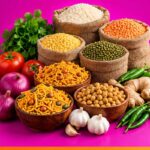
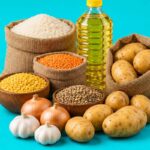
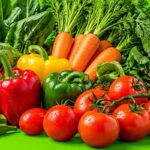
- Fresh fruits and vegetables
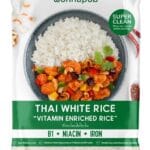
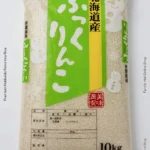
- Plain rice, unflavored
- Eggs
- Plain frozen vegetables with no sauce or seasoning added
Aisles That Need a Closer Look
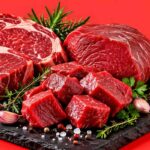
- Meat counter: Standard Japanese supermarket meat is not halal-slaughtered unless specifically labeled.
- Sauces and seasonings: Mirin, many marinades, and some soy sauce blends contain alcohol.
- Snacks and sweets: Gummies, marshmallows, and some baked goods often use pork-derived gelatin or lard.
- Instant and packaged soups: Bonito (fish) or pork-based stock bases are common even in vegetable-labeled products.
Reading Japanese Ingredient Labels
A few characters are worth memorizing: 豚 (pork), 豚肉 (pork meat), 牛 (beef), 酒 (alcohol), ゼラチン (gelatin), みりん (mirin). If any of these appear without a clear halal-certified label nearby, it’s safer to skip the product.
The Simpler Alternative
For the categories that need the most caution — meat, sauces, and snacks — ordering from a source that is halal-certified from the start removes the need to check every label.
Shop Halal-Certified Groceries Online
Browse Halal Food Japan’s full grocery range — meat, sauces, snacks, and more, all halal-certified and delivered nationwide.